
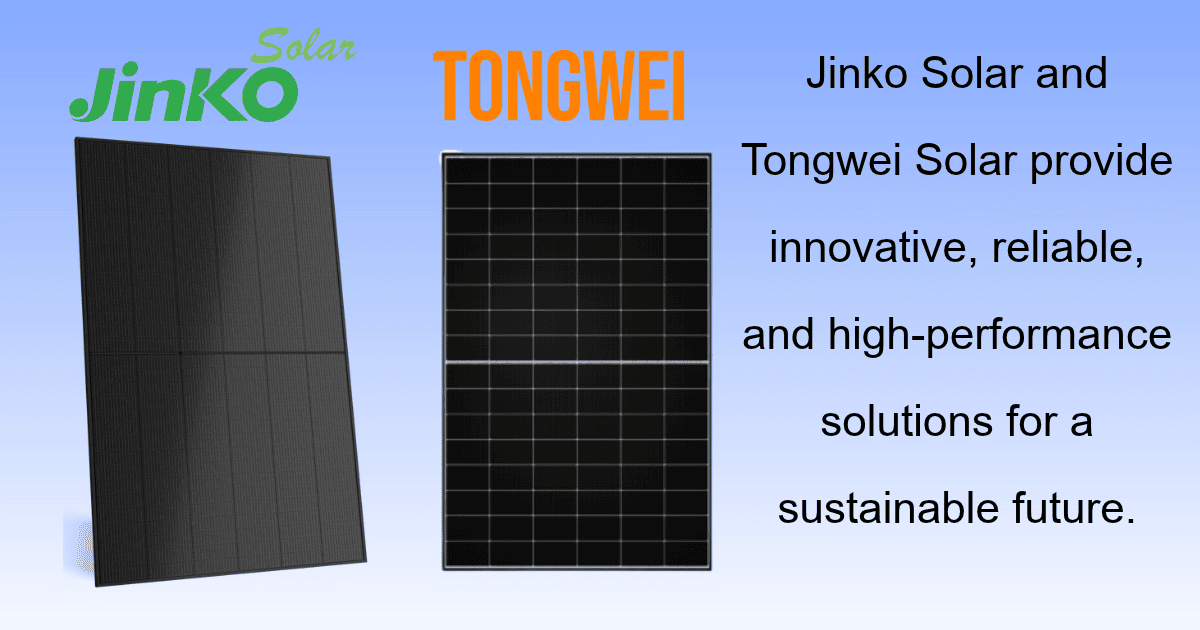
Power your home or business with high quality solar panels from Start Solar.Whether you want to reduce your electricity bills, improve your property’s energy efficiency or move towards a more sustainable future, we can help you find a solar solution that suits your energy needs.
Our solar solutions are designed to help homeowners and businesses generate clean electricity, reduce reliance on grid power and make better use of renewable energy. From choosing the right solar panels to designing a system for your property, we focus on quality products, reliable performance and professional installation.
Ready to explore solar for your property? Contact Start Solar to discuss your solar panel requirements.
How Do Solar Panels Work?
Solar panels convert sunlight into usable electricity through a process known as the photovoltaic (PV) effect. Each panel contains photovoltaic cells that absorb sunlight and generate direct current (DC) electricity. An inverter then converts into alternating current (AC), which powers the appliances and equipment used in your home or business.
Solar panels can generate electricity from both direct sunlight and diffused daylight. This means they can continue producing power on cloudy days, although their output is generally higher when sunlight is strong.
The amount of electricity your solar system produces depends on several factors, including your location, roof orientation, panel angle, weather conditions, shading and the size of your system.
With a properly designed solar power system, you can use the electricity generated by your panels to meet your daily energy needs and reduce the amount of electricity you purchase from the grid.
Understanding Solar Panel Capacity and Energy Generation
To find the right solar system for your needs, you need to understand its power capacity and how much electricity it can generate.
Solar panel capacity (watts and kilowatts)
Each solar panel has a power rating measured in watts (W). When several panels are combined, their total power capacity is measured in kilowatts (kW).
For example, a system with 20 solar panels rated at 400 watts each has a total capacity of 8,000 watts, or 8kW.
This rating indicates the system’s nominal capacity under standard test conditions. Actual output varies throughout the day and across the seasons.
Solar energy generation (kilowatt-hours)
The amount of electricity a solar system generates over time is measured in kilowatt-hours (kWh). This is the same unit used on your electricity bill.
For example, a solar system rated at 6.6kW may generate different amounts of electricity on a sunny summer day compared with a cloudy winter day. Its average daily production will also vary depending on where the property is located and how the system is installed.
Understanding your expected energy generation helps you choose a system that aligns with your electricity consumption and budget.
What Size Solar Panel System Do You Need?
The best solar panel system size depends on how much electricity you use, when you use it, the available roof space and your future energy requirements.
A smaller system may be suitable for a home with modest electricity consumption, while a larger system may be more appropriate for a family home with higher energy demand or a business operating energy-intensive equipment.
When assessing your solar requirements, it is important to consider –
Electricity consumption – Your current electricity bills can help determine how much solar generation you may need.
Roof size and condition – Available roof space impacts the number of panels that can be fitted.
Roof direction and shading – The direction your roof faces and any obstructions can affect solar production.
Daily energy usage – Using electricity during daylight hours can help you use the solar power generated.
Future requirements – Electric vehicles, air conditioning, additional appliances or business expansion may increase your energy needs.
Battery storage – If you want to store surplus solar energy for later use, then choose a compatible battery.
At Start Solar, we can help you assess these factors and find a system that suits your energy needs.
Solar Panel Efficiency and Performance
Solar panel efficiency is the percentage of sunlight a panel converts into electricity. Higher efficiency panels can produce more electricity from the same roof area, when installation space is limited. You should also look at how well they perform in hot weather, how long they last, their warranty and the support provided by the manufacturer.
When comparing solar panels, consider the following –
Rated power output – The amount of power the panel is designed to produce under standard test conditions.
Conversion efficiency – How effectively the panel converts sunlight into electricity.
Temperature performance – How the panel’s output responds to higher operating temperatures.
Degradation rate – How much its power output is expected to decline over time.
Product warranty – Coverage for manufacturing defects and product reliability.
Performance warranty – The manufacturer’s commitment to a specified level of power output over a 25 to 30 years.
Approved products – Check the Clean Energy Council list of approved modules and any applicable Australian installation requirements.
Manufacturer reputation – Research the manufacturer’s track record, product availability and access to technical support.
Warranty coverage – Understand the terms, exclusions and process for making a warranty claim.
Installer expertise – Choose an installer who can design a system suitable for your roof and energy usage.
Benefits of Installing Solar Panels
Installing solar panels can offer several benefits for Australian homes and businesses.
Reduce electricity bills – Solar panels generate electricity for your home or business, helping you buy less power from your electricity retailer. The more solar energy you use, the more you could save on your electricity bills. Your savings depend on your energy use, electricity rates, solar system size and how much solar power you use.
Support long-term energy planning
Electricity prices, energy requirements and home needs can change over time. A properly planned solar installation can help you prepare for future energy use, including battery storage or electric vehicle charging where compatible.
Solar Panel Rebates and Incentives in Melbourne – Government rebates and incentives help reduce the upfront cost of installing a solar power system. The support available depends on your location, the system you choose, the installation date and the applicable eligibility requirements.
Federal solar incentives – Eligible solar installations may qualify for support under the Federal Government’s Small-scale Renewable Energy Scheme (SRES). This scheme uses small-scale technology certificates (STCs), which can reduce the price of an eligible solar system.
Solar rebates in Victoria – Victorian homes may be eligible for Solar Victoria rebates, including eligible solar panel systems and solar batteries.
Solar feed-in tariffs – Depending on your electricity retailer and plan, you may receive a feed-in tariff for eligible surplus solar electricity exported to the grid. Feed-in tariffs vary between retailers and plans and may change over time.
Start Solar helps you understand solar installation costs and savings so you can make the right decision.
Is Solar Panel Installation Worth It?
Solar panels are worth considering when the system is appropriately sized and the electricity generated is used effectively. However, the financial benefits differ from property to property.
Before installing solar, consider your average electricity consumption, the electricity used during day and in the night, installation costs, available rebates and incentives, feed-in tariffs and any future battery requirements.
Comparing these factors can help you estimate savings and understand the payback period of your solar investment.
Why Choose Start Solar?
Choosing the right solar provider is important to get the best value from your solar investment. At Start Solar, we make the process simple and clear, helping you understand your options before making a decision.
Whether you are considering solar for your home or business, we can help you explore the options available for your property.
Get Started with Solar Panels Today
Take the next step towards generating your own electricity with a solar panel system designed for your needs.
Contact Start Solar to discuss your energy needs, explore suitable solar options, and understand the installation process. Our team will help you find the right solar solution for your property.
Request a Solar Quote Today